


Orifice Plates vs. Averaging Pitot Tubes: Choosing the Right Primary Element
Comparing two powerhouses of differential pressure flow measurement: weighing pressure drop, installation cost, pipe sizing, and accuracy to optimize your process.
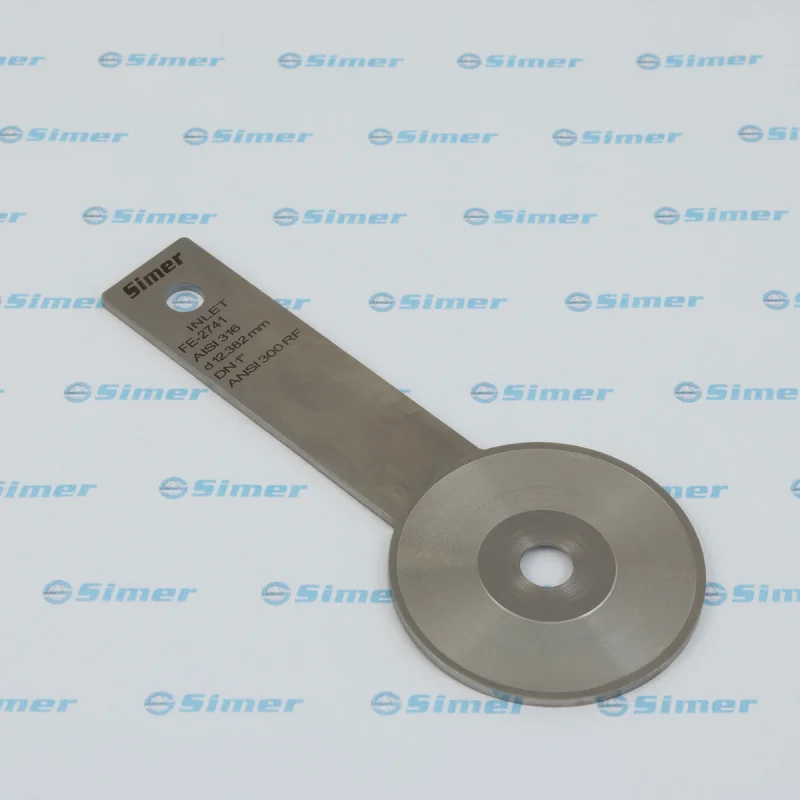
When engineering or revamping a differential pressure (Dp) flow measurement loop, plant engineers repeatedly face the exact same dilemma: should you specify the time-tested certainty of an orifice plate, or leverage the efficiency of an averaging Pitot tube? Both devices operate on the exact same fundamental principles of fluid dynamics to convert flow velocity into a measurable pressure differential, and both feature zero moving parts to wear out. However, their structural designs and impact on the piping system are vastly different, meaning selecting the wrong primary element can easily result in unnecessary energy losses or compromised measurement accuracy.
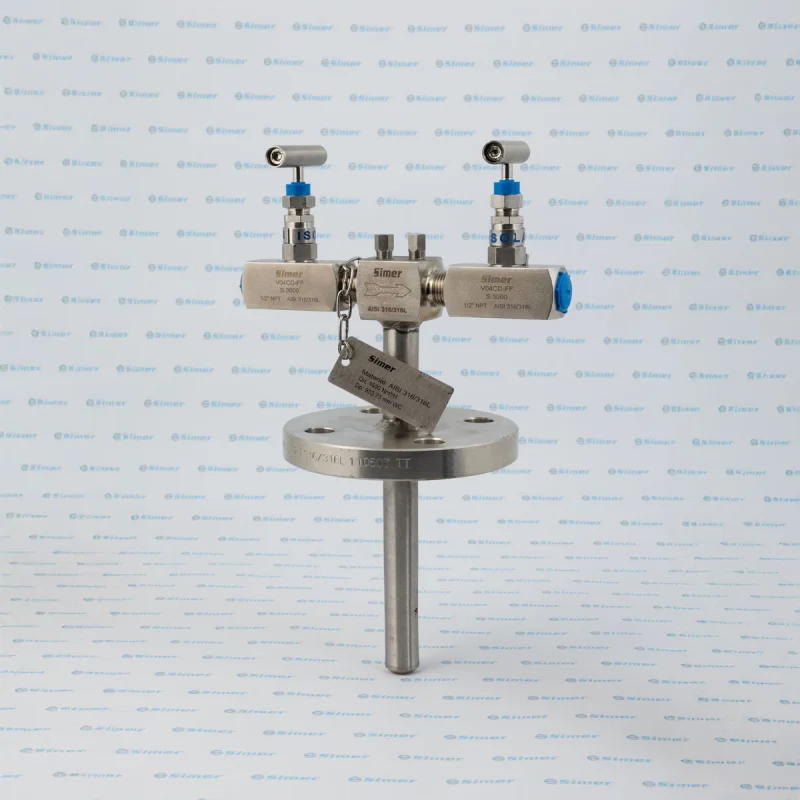
The orifice plate remains the unchallenged benchmark for high accuracy and repeatability in small to medium pipe sizes. By forcing the complete fluid stream through a precisely machined restriction, it generates a strong, stable Dp signal backed by strict global standards such as ISO 5167. The trade-off, however, is a higher permanent pressure loss that forces pumps and compressors to consume more energy over time. Conversely, the averaging Pitot tube takes an insertion-based approach: mounted across the pipe diameter, its multiple sensing ports average the dynamic pressure at key profile points. This causes minimal obstruction, slashes permanent pressure loss, and drastically simplifies installation.
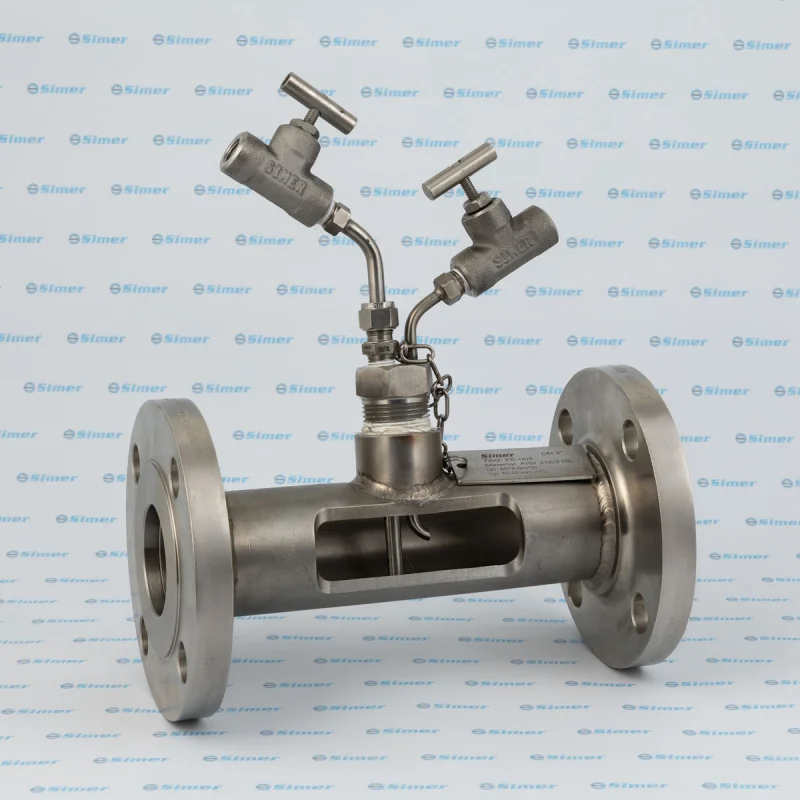
At Simer, we know there is no single "best" flow meter—only the right engineering match for your specific application parameters. If your primary goals are maximum accuracy, strict regulatory compliance, and budget control on lines under 12–16 inches, the traditional orifice plate remains your best option. However, if you are metering large line sizes (DN 400/16” and above), high-volume gas, or steam lines where permanent pressure loss directly impacts, the averaging Pitot tube offers unmatched long-term ROI. Carefully balancing line diameter, accuracy thresholds, and lifetime pumping costs is the secret to choosing a primary element that delivers both reliability and efficiency.
Unsure whether an orifice plate or an averaging Pitot tube fits your line best? Contact our technical team for custom sizing and evaluation.
Other Articles

Why the Orifice Plate Still Rules Industrial Flow Measurement
From Bernoulli's fluid dynamics to field reliability: how a simple primary element with zero moving parts remains the benchmark for process control.
Read more trending_flat
We and selected third parties use cookies or similar technologies for technical purposes and, with your consent,
also for other purposes as specified in the .
If you close this banner with a tick or click on "Decline", only technical cookies will be used. If you want to select the
cookies to be installed, click on 'Customise'. If you prefer, you can consent to the use of all cookies, including
cookies other than technical cookies, by clicking on "Accept all". You can change your choice at any time.